Source thermoforming hdpe sheets for Food, Environmental, and Machining
Compare 30 thermoforming hdpe sheets from verified Chinese suppliers. Buyers can evaluate thickness, width, and customization options for food industry and environmental protection equipment applications. These engineering plastic sheets offer UV resistance, durable performance, and smooth or textured surfaces suitable for various industrial needs.
Key considerations
Products List




Comprehensive Sourcing Guide
Thermoforming HDPE Sheets Sourcing Guide
Procuring high-density polyethylene sheets for thermoforming requires a precise understanding of material behavior under heat and pressure. Buyers must distinguish between standard HDPE and ultra-high-molecular-weight polyethylene (UHMWPE), as their thermal properties and processing requirements differ significantly. The core keyword "thermoforming hdpe sheets" often encompasses a broad range of engineering plastics, including PE variants with specific tensile strengths ranging from 81 to 130 MPa. Understanding these material distinctions is critical for ensuring the final product meets mechanical and environmental demands.
Suppliers frequently offer extensive customization options, including thicknesses from 1 mm to over 200 mm and widths up to 2800 mm. However, not all listed products are equally suitable for deep drawing or vacuum forming processes. Buyers should verify the specific contraction percentage, which can be less than 0.4%, to predict dimensional stability after forming. Additionally, water absorption rates below 0.01% indicate excellent moisture resistance, a vital trait for applications in humid or wet environments. These technical nuances directly impact the success of the thermoforming operation and the longevity of the end product.
Product Scope and Observed Listing Signals
The market for thermoforming-grade HDPE sheets presents a wide variety of listings, with observed prices ranging from $0.40 to $2500 per unit or batch. This disparity often reflects differences in material grade, thickness, and order volume, with minimum order quantities (MOQs) typically spanning from 1 to 1000 units. Buyers should carefully examine whether the listed price includes customization fees or standard sizes like 1220x2440x12.7mm. Understanding the pricing structure helps in budgeting for both prototype samples and large-scale production runs, ensuring cost-effectiveness without compromising on material integrity.
Listings often highlight key attributes such as UV resistance, durability, and ease of machining, which are essential for thermoformed parts exposed to outdoor or industrial conditions. The working temperature range of -80 to +80 degrees Celsius suggests suitability for diverse environmental applications, from cold storage to moderate heat environments. However, buyers must confirm if the specific sheet variant supports the thermal cycles required for thermoforming without degrading. Observing these signals helps in filtering suppliers who offer genuine engineering-grade materials versus those providing generic plastic sheets with limited performance capabilities.
Technical Specifications to Verify
Thickness and width are primary specifications that influence the thermoforming process and final part strength. Available thicknesses can range from 1-30 mm or even up to 300 mm for UHMWPE variants, while maximum widths may reach 2500 mm or 2800 mm. Buyers must verify if the supplier can provide continuous lengths without limitations, as this reduces the need for welding or joining in large thermoformed structures. Confirming these dimensions ensures that the raw material aligns with the design requirements of the thermoforming mold, minimizing material waste and processing complications during production.
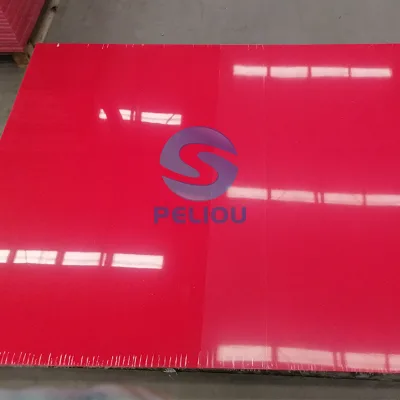
Surface finish and color options also play a crucial role in the aesthetic and functional quality of the final product. Suppliers may offer smooth or textured patterns, as well as customized colors like white, black, or red. It is essential to verify if the surface treatment affects the material's ability to release from the mold during thermoforming. Additionally, checking the raw material composition, whether it is standard HDPE or UHMWPE, is vital because each type responds differently to heat and pressure. Ensuring these technical details are clearly defined prevents mismatches between the supplier's capabilities and the buyer's manufacturing needs.
Compliance and Safety Documentation
Certification status is a critical factor when sourcing HDPE sheets for regulated industries such as food processing or environmental protection equipment. Many suppliers claim ISO 9001 and SGS certifications, which indicate adherence to quality management systems and independent testing standards. Buyers should request valid certificates to verify that the manufacturing process meets international quality benchmarks. This documentation provides assurance that the material is produced in a controlled environment, reducing the risk of contamination or inconsistency in the thermoformed parts, especially for applications requiring strict hygiene or safety standards.
Standard sizes and custom specifications must be clearly documented to ensure regulatory compliance and ease of integration into existing workflows. Common standard sizes include 1220x2440x10mm or 1220x2440x12.7mm, but custom sizes are often available to meet specific project requirements. Buyers should verify if the supplier provides material safety data sheets (MSDS) and compliance statements for food contact or environmental exposure. These documents are essential for demonstrating due diligence in procurement and ensuring that the thermoformed products meet all relevant legal and industry-specific safety regulations.
Cost Drivers and Commercial Terms
Lead time and production capacity are significant cost drivers that affect project timelines and inventory management. Suppliers often quote lead times within 7 working days for standard orders, but customized specifications may require additional processing time. Buyers should clarify if the quoted lead time includes material preparation, manufacturing, and packaging. Understanding these timelines helps in planning production schedules and avoiding delays, which can be costly in thermoforming operations where mold availability and machine time are critical resources.
Packaging and shipping terms also influence the total cost of ownership. Sheets are typically packed in plastic film and then on pallets, or in wooden cases for larger UHMWPE sheets, to prevent damage during transit. Buyers should verify if the packaging is suitable for long-distance shipping and if it includes protection against moisture and UV exposure. Additionally, confirming the payment terms and return policies for defective goods is essential. Clear commercial terms reduce financial risk and ensure that the buyer receives the product in optimal condition, ready for immediate thermoforming processing.
Supplier Qualification and Quality Control
Evaluating a supplier's manufacturing process is crucial for ensuring consistent quality in thermoforming-grade HDPE sheets. The extrusion process is commonly used, and buyers should inquire about the quality control measures implemented during production. Suppliers with advanced extrusion lines and strict quality checks are more likely to deliver sheets with uniform thickness and consistent mechanical properties. Verifying the supplier's ability to provide samples allows buyers to test the material's thermoforming behavior before committing to large orders, reducing the risk of production failures.
Customization capabilities and technical support are also key indicators of supplier reliability. Suppliers offering customized colors, surface patterns, and specific thicknesses demonstrate flexibility and expertise in meeting diverse buyer needs. Buyers should assess the supplier's responsiveness to technical queries and their willingness to collaborate on material selection. A supplier that provides detailed technical data and supports the buyer in optimizing the thermoforming process adds significant value. This partnership approach ensures that the final product meets all performance requirements and that any issues are addressed promptly and effectively.
Long-Term Procurement Checks
Establishing a long-term relationship with a reliable supplier requires ongoing monitoring of product performance and supplier stability. Buyers should regularly review the consistency of material properties, such as tensile strength and water absorption, across different batches. Tracking any variations in these attributes helps in identifying potential quality issues early. Additionally, monitoring the supplier's ability to meet lead times and maintain competitive pricing over time is essential for sustainable procurement. Regular audits and feedback loops ensure that the supplier continues to meet the buyer's evolving needs and quality standards.
Adapting to market changes and technological advancements is also crucial for long-term success. Buyers should stay informed about new developments in HDPE and UHMWPE materials that could offer improved performance or cost savings. Engaging with suppliers who invest in research and development can provide access to innovative solutions for thermoforming challenges. Furthermore, diversifying the supplier base can mitigate risks associated with supply chain disruptions. By maintaining a proactive approach to supplier management, buyers can ensure a steady supply of high-quality thermoforming HDPE sheets, supporting continuous production and business growth.
FAQs
What customization options are available for thermoforming hdpe sheets?
Customization is available for thickness, size, color, and surface texture. You can select thickness from 1 to 300mm and choose widths up to 2800mm. Colors include white, black, or red, while surfaces can be smooth or textured based on your specific engineering requirements.
Can I get samples of thermoforming hdpe sheets before ordering?
Yes, samples are available for thermoforming hdpe sheets to verify quality. This allows you to test material properties like tensile strength and water absorption before committing to a larger order. Contact the supplier to arrange sample delivery for your evaluation purposes.
What is the lead time for thermoforming hdpe sheets orders?
The lead time for thermoforming hdpe sheets is within 7 working days. This fast turnaround applies to standard and customized orders. Ensure your specifications are clear to maintain this quick delivery schedule for your production needs.
Which certifications do thermoforming hdpe sheets manufacturers hold?
Manufacturers hold ISO 9001 and SGS certifications for thermoforming hdpe sheets. These standards ensure quality management and product reliability. Verify these certificates when sourcing to confirm the material meets international safety and performance requirements for your industry applications.
How does the working temperature range affect thermoforming hdpe sheets?
Thermoforming hdpe sheets function effectively between -80 and +80 degrees Celsius. This wide range ensures durability in extreme environments. The material remains stable and resistant to UV radiation, making it suitable for food industry and environmental protection equipment applications.
What are the standard sizes for thermoforming hdpe sheets?
Standard sizes include 1220x2440x10mm or 1220x2440x12.7mm for thermoforming hdpe sheets. Custom lengths are available with no limitation, and widths can reach up to 2800mm. You can also request specific dimensions tailored to your project requirements.
Can thermoforming hdpe sheets be easily machined for fabrication?
Yes, thermoforming hdpe sheets are easily machined for various fabrication processes. Their engineering plastic properties allow for precise cutting and shaping. This feature simplifies the manufacturing of custom parts for industrial applications requiring high durability and chemical resistance.